


Contents
| Obesity – the Disease of Our Century | 7 |
| Type-2 Diabetes Connected to Obesity | 8 |
| Ways of Treating Obesity and Type-2 Diabetes | 9 |
| Complications and Therapies | 10 |
| Nutrition after the Operation | 11 |
| Monitoring after the Operation | 13 |
Introduction
The increased mass of fats in the body compared to the body surface area originating from the imbalance between the acquisition of energy and its consumption is called obesity. Obesity is the most serious epidemics of the 21st century, which threatens the whole world. The frequency of facing the disease, which does not only stalk in the developed but also in the developing countries, continues increasing. According to data from the World Health Organization (WHO), more than 1.7 billion people are overweight, obese, or with morbid obesity. 200 million men and 300 million women suffer from obesity.
Although a total of 30 billion people all over the world annually consume products against weight loss, drugs based on plants, and programmes of physical exercises, the frequency of facing obesity continues increasing. Obesity comes second after the cigarettes in connection to cases of deaths which could have been prevented. Weight loss surgery and diabetic surgery are successful when they are laparoscopic (closed) operations and are performed by teams with experience in bariatric surgery.
Obesity – the Epidemics of Our Century
Humans are becoming more and more overweight. Obesity in the early centuries was a symbol of abundance, well-being and fertility, while nowadays, it is accepted as a serious disease. The performed studies have reported that obesity shortens life expectancy.
Obesity may cause diseases like:
- Insulin resistance
- Type-2 diabetes
- Fatty liver
- Hypertension
- Stroke
Moreover, obesity increases the risk of appearance of:
- Breast cancer
- Uterine cancer
- Colon cancer
- Rectal cancer
- Prostate cancer
Obesity limits the functions of the lungs and causes asthma and sleep apnoea. The frequency of suffering from reflux is higher with people suffering from obesity. Joint and bone diseases are more frequent with people suffering from obesity. As obesity may not only cause cancer but may also lead to resistance in treating cancer, it is at least as dangerous as cancer.
The most frequent and famous method of proving obesity is Body Mass Index (BMI).
| Classification of Obesity according to the World Health Organization (WHO) | |
| BMI (kg/m3) | Classification |
| <18.5 | Low weight |
| 18.5 – 24.9 | Normal weight |
| 25.0 – 29.9 | Slightly overweight (plump) |
| 30.0 – 34.9 | Obesity, Class I |
| 35.0 – 39.9 | Obesity, Class II |
| >40.0 | Obesity, Class III |
Type-2 Diabetes Connected to Obesity
Generally speaking, there are two types of hyperglycaemias.
Type-1 diabetes mellitus or hypoglycaemia is an early phase, which is called by disturbed beta cells in pancreas, producing insulin. As such patients suffer from insufficient insulin during whole their lives, they are made to treat themselves with insulin hormone (through injections). That is why, type-1 diabetes is called insulin-dependent diabetes mellitus (IDDM). Type-1 diabetes represents 5-10% of patients suffering from diabetes. The surgical treatment of type-1 diabetes is impossible. Patients with type-1 diabetes should continue their therapy under the monitoring of a specialist in endocrinology.
Type-2 diabetes mellitus takes 90% of all types of diabetes. With patients suffering from type-2 diabetes, beta cells in the pancreas produce insulin, but due to the serious insulin resistance of the target tissues, the produced insulin cannot be used effectively. In 90% of the cases, type-2 diabetes is caused by obesity. According to the data from TURDEP (Prevalent study of diabetes, hypertension, obesity, and endocrinological diseases in Turkey), the prevalence of type-2 diabetes in Turkey is 7.2% and the disturbed glucose tolerance, specified as prediabetes – 6.7%. In the past, type-2 was connected to old-age patients, while recent studies have reported that the cases of type-2 diabetes connected to obesity have increased. Obesity is one of the most important external factors which cause type-2 diabetes.
Surgical treatments offered to patients suffering from type-2 diabetes break insulin resistance and the insulin produced by patients becomes sufficient. Meanwhile, as a result of the performed intestinal operations, there is a synthesis of insulin-like hormones, called incretin. Thus, patients are saved from diabetes and the values of their glucose becomes within the normal range.
Types of Surgical Treatment
Operations connected to obesity and hyperglycaemia are generally specified as ‘bariatric surgery’. The word ‘bariatrics’ comes from the Latin word ‘baros’ or ‘weight’ and since the first day of use, it has meant operations of the gastrointestinal system causing weight loss, which are performed to make overweight patients lose weight. It is known that together with weight loss, operations connected to obesity regulate disturbances mainly caused by diabetes, such as hypertension and fat imbalance, and they also reduce the levels of deaths originating from these diseases.
Operations of obesity and diabetes were first started in 1950s. Surgical treatment of obesity is a developing field and tens of different methods have been developed since then. While some of the methods are standard and has still been used nowadays, others have been suspended. There are 10 different methods of surgical treatment these days. The method which is most appropriate for the patient and the disease is chosen together with the patient.
The methods of surgical treatment used in the field of obesity and diabetes may be grouped in 3 basic headlines:
Limiting methods: the most common method is sleeve gastrectomy or gastric sleeve, which reduces the volume of the stomach. Another limiting method is gastric bands, also called gastric rings, but nowadays this method has not been applied that much. Still another method is the placement of a gastric balloon, which is applied with endoscopy.
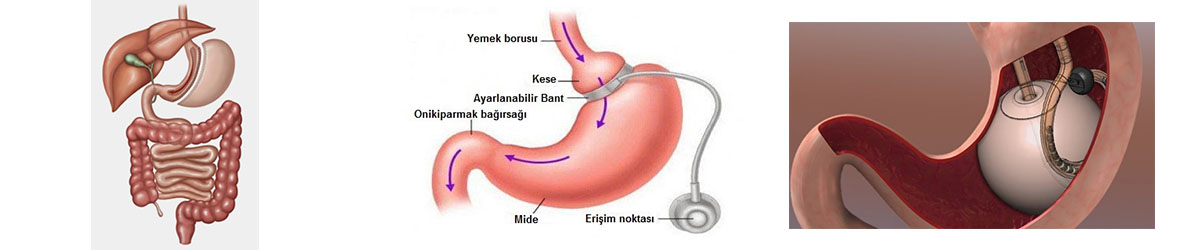
Limiting and Gastric Suction Methods: mini gastric bypass methods, also called gastric bypass and SAGB, are the commonest of all. These methods aim to reduce the volume of the stomach and suck nutrients.

Gastric Suction Methods: they cover BPD, SADI, etc. They are totally directed to preventing the suction of eaten foods. Not only do they reduce the volume of the stomach but also the suction of the eaten nutrients.
Complications and Methods of Treatment
Complications of the operations of morbid obesity are classified as early or late or as major and minor complications. Mortality rates in the early stage after these operations are between 0.1% and 0.5%. The commonest reasons for mortality are pulmonary emboly (pumping pulp in the lungs) and infarction. Patients should be assessed well in the period before the operation.
The commonest problems in the early postop period are connected to lungs. Under the anaesthesia, pulmonary functions, which are limited anyway, reduce even more. That is why, it is very important that the patients be well prepared before the operation and do the breathing exercises.
Leakage and bleeding are the commonest complications connected to surgery after the operation of obesity and diabetes. While the percentage of these complications in experienced centres which have received the necessary qualifications in surgery of obesity and diabetic surgery is 0.17%, in unexperienced centres they rise up to 7%. Complications connected to leakage and bleeding may be treated with endoscopic methods. In centres which are interested in diabetic surgery and surgery of obesity should have endoscopic equipment which may treat any complications and these centres should also have a bariatric surgeon who has enough experience in the endoscopic surgery of obesity.
General Recommendations and Cases which You Should Be Careful of with Laparoscopic Sleeve Gastrectomy
Dietary regimen after sleeve gastrectomy.
To avoid dehydration, you should drink at least 1.5 – 2 litres of liquids (which is a minimum of 6-8 glasses of water). Otherwise, you may face situations like headache, vertigo, nausea, fatigue, white wounds on the tongue and dark urine. Remember that drinking water is very important for the health of your kidneys.
Do not drink water at least 15 minutes before a meal. You may drink liquids at least 30-45 minutes before meals. Liquids you drink during meals may cause another expansion of your stomach.
In the first 2 weeks, you should consume liquid foods and in the 3rd to the 4th week – pureed foods.
Eat your meals slowly for at least 25 minutes and swallow your food well.
Avoid simple sugars (loose sugar/lump sugar, sweets, desserts, etc.)
Remember that after the operation your stomach can take 120-180 ml of liquids during meals. You may feel full after eating 2 or 3 spoons of your meal.
Do not continue eating more after that feeling, as you may feel gastric cramping. After 6 to 9 months, your new stomach will direct you towards the regular foods you may eat.
After you feel full, stop eating. If you continue eating, you may experience nausea or vomiting.
Take main courses with high nutritional value three time a day and have a high-protein snack once a day.
Foods should contain mostly proteins, fruits, and vegetable, and, in the end, wholegrain foods.
To check if you can tolerate any new foods you will add to your dietary regimen, it is preferrable that you take it once a day. Include the food you have not been able to tolerate in your menu a week later.
If you cannot eat dairy products, you may prefer lactose-free milk or soya milk enriched with calcium and vitamin D.
It is obligatory that you do physical exercises!!! This is the key word to losing weight!!! In the first 6 weeks, you should practise slow to average-speed walking, and in weeks 6 to 8, you should add tiring movements.
Introduction
The long-term success of sleeve gastrectomy is very closely connected to following the recommended diet.
2 weeks after the operation, you should not eat any hard foods.
The diet of liquid foods should be followed by soft and liquid foods.
Why Shouldn’t Hard Foods Be Consumed at the Beginning?
Hard foods press the sutures and cause vomiting and feeling of discomfort in the stomach.
That is why, it is very important to follow the recommendations below!!!
- First: 2 weeks of liquid food
- Second: 2 weeks of soft, liquid food
- Third: 5 weeks of hard food
You should eat healthy food, rich in proteins, with less calories.
Step 1:
The First 2 Weeks of Liquid Food
In order to eat enough proteins, calcium, and the other nutritional ingredients, liquid food should be based on milk. The ideal choice would be low-fat milk (0.1% – 0.3% fat; skimmed dairy products). The ideal amount is at least 1L of milk or dairy products.
Initially, the preferrable liquid foods may be water, meat broths, defatted chicken broth.
Try taking 30 ml of liquids every 20 minutes.
After the consumption, you may have problems with gases. The problem with gases is a natural condition after the operation.
Due to the fact that cold foods cause gases, meals should be consumed slightly heated.
Meals You May Eat during the First Week
- Meat broths (if you feel heavy, you may defat the broth and squeeze some lemon)
- Skimmed (dietary) milk
- Soups without particles, without residuals, with water contents (without tomato puree or chicken soup)
- Fruit drinks without foam, not fizzy, with low contents of sugar (like dietary cold tea, etc.)
- Unsweetened, clean fruit juices without particles (freshly squeezed or 100% natural juices)
- Light tea without sugar
- Compote / dried fruit compote without particles
- Herbal teas (chamomile, fennel, linden, anise)
- Skimmed, dietary yoghurt drink, with water consistency
- Vegetable juices (drink them after diluting them in water)
- Protein QNT powder or Whey (1/3 measurement unit/day)
During the first week after the operation, you should eat these foods little by little and slowly. After that, you may increase them to your tolerable amount.
Recommended Diet
- Breakfast: 1 cup of dietary drink
- Snack: 1 cup of skimmed milk or kefir, directly
- In the middle of the day: 1 bowl of soup, 1 glass of yoghurt drink
- Snack: 1 cup of skimmed milk
- Dinner: 1 glass of dietary drink, 1 bowl of dietary soup
- Before going to bed: 1 cup of skimmed milk
Dairy drinks should be consumed with priority. Thus, you will be sure that you take enough nutritional ingredients. Other drinks could be taken as you wish.
Tips
- Drinks should be drunk in small sips until you feel full.
- Many people take a minimum of 50 cc of liquids at once.
- If you feel full, you should stop drinking
- If you feel stomach-ache or nausea, you should not drink anything else before you feel relieved.
- If you drink too much, the stomach will become full and you will start vomiting.
- When the carbonated and fizzy drinks reach the stomach, they cause flatulence and bloated stomach, cause quick feeling of discomfort, and may even lead to vomiting, which is why they should not be consumed.
Although milk provides a number of nutritional ingredients, it may not give all the vitamins and minerals needed for the body, so it is insufficient and you feel need of daily vitamin and mineral support. The volume of the stomach reduces and the consumed nutritional ingredients have better decomposition.
Foods You May Eat on the Second Week
- Soups prepared without flour thickener or tomato puree / soups passed through your kitchen robot.
Examples: fish soups, tarhana soup without chili spices; ‘yayla’ soup of rice and milk; lentils soup; chicken broth with vermicelli; vegetable soup; cold yoghurt soup, etc.
Step 2:
The Week of Dieting with Soft Liquid Foods
After 2 weeks, you may gradually start consuming soft, squashed foods. Meals should be torn in particles and squashed with a fork.
If possible, you should choose your food with the richest contents of proteins and calcium. You may achieve this with soft and liquid foods (purees), by cooking foods of meat and chicken broths and then squashing them in the blender.
Foods which May Be Consumed on the Third and Fourth Week
(In addition to the foods from the first two weeks)
- Soft-boiled egg
- Soft-boiled egg + fat-free cottage cheese
- Fruit purees (they may be mixed with fresh or yoghurt)
- Vegetable purees
- Spinach puree
- Verdolaga puree
- Pumpkin puree
- Leek puree
- Tuna fish puree
- Chicken puree (of a leg or fillet)
- Potato puree with cheese (you may prefer cottage cheese)
- Baby purees (a good alternative for working people)
- Diabetic muhallebi, sutlijas (not roasted in the oven, well boiled)
- ‘Ayran asi’ soup (of boiled beans and yoghurt)
- Potato soup with milk
- Chicken soup with yoghurt
- Chicken soup with vermicelli
| EXEMPLARY MENU 1 BREAKFAST, 08:00 AM |
EXEMPLARY MENU 2 BREAKFAST, 08:00 AM |
EXEMPLARY MENU 3 BREAKFAST, 08:00 AM |
| In 150 – 200 ml of skimmed milk add: 1/2 glass of oats - You may prefer lactose-free milk to skimmed milk |
In 150 – 200 ml of skimmed milk add: - grated, peeled apple - 1 tbs of fat-free strained cheese |
In 150 – 200 ml of skimmed milk add: - 1 soft-boiled egg - 1 peeled pureed apple |
| КЪСНА ЗАКУСКА 10:00 | LATE BREAKFAST, 10:00 AM | LATE BREAKFAST, 10:00 AM |
| In 100 – 200 ml of skimmed milk add: 1/2 glass of oats - 1 tbs of protein powder instead of skimmed milk |
In 100 – 200 ml of skimmed milk add: 1/2 glass of oats - 1 tbs of protein powder instead of skimmed milk |
In 100 – 200 ml of skimmed milk add: 1/2 glass of oats - 1 tbs of protein powder instead of skimmed milk |
| LUNCH, 12:00 AM | LUNCH, 12:00 AM | LUNCH, 12:00 AM |
| In 150 – 200 ml of skimmed milk add: 1 portion of fruit puree |
- 200 ml of chicken soup with vegetables, squeezed in a blender - 1 soft-boiled egg |
- 200 ml of tarhana soup - 2 tbs of light tuna fish |
| AFTERNOON SNACK, 02:00 PM | AFTERNOON SNACK, 02:00 PM | AFTERNOON SNACK, 02:00 PM |
| 100 – 200 ml of apple puree | 150 ml of diabetic muhallebi | 100 – 200 ml of skimmed milk with 1 dsp of cinnamon |
| DINNER, 06:00 PM | DINNER, 06:00 PM | DINNER, 06:00 PM |
| - 100 – 200 ml of meat soup, squeezed in a blender - 100 ml of fruit puree |
- 100 – 200 ml of fish/chicken soup - 1 small roasted or mashed potato |
Vegetable puree, mixed with 80g of light tuna fish |
Step 3:
Week 5 and Later
From week 5, you can start eating protein-rich products, with less calories.
You should make sure that you take enough proteins.
You should make sure that you eat foods you tolerate, slowly, in small amounts.
Our motto of a diet which is appropriate for losing weight is low level of fats, low level of calories, and control on the portions.
In week 5, you can start eating hard healthy meals. This period is not very easy sometimes. That is why, the foods for an easy transition to week 5 we recommend are as follows:
- Vegetable meals with minced meat
- Hotch-potch of peeled vegetables
- Different kinds of white cheese
- Carrots with yoghurt (cooked)
- Verdolaga with yoghurt
- Stained yoghurt
- Boiled chicken with vegetables
- Ocean fish
- Meatballs with sauce
- Grilled fish
- Eggs poured with yoghurt, fried red pepper (without garlic)
Important Rules You Should Follow after the Operation of Stomach – Sleeve Gastrectomy
You should eat soft and clear meals, such as:
- puddings prepared with low-fat milk; mashed potatoes; beans soaked with milk; stained cheese; soft omelette and squashed fish; cottage cheese.
- It is important that you chew the food well until they become a puree.
You should make sure that you take enough proteins.
- You should make sure that you eat manly protein foods.
- 3 cups of skimmed milk or soya milk will provide enough proteins and calcium and you will be healthy.
You should not eat hard and liquid foods together.
- Taking liquids with food fills in a small part of the stomach and causes quick vomiting.
- You may feel full too early due to stretching of the stomach or washing it, so that you may not be able to feel full and eat too much.
- You should not drink anything 30 minutes before and after eating.
You should chew the food well, until it becomes a puree in your mouth.
- If you do not chew the food well, it may obstruct the outlet of the stomach and cause pains, feeling of sickness, and vomiting.
You should eat slowly.
- 2 dishes should be eaten for 20 minutes. A lot of people eat around 45 minutes.
- Explain your family why you eat slowly and do not hurry up.
Pay attention to the feeling of fullness of your body!
When you feel full or tense in the region of the middle part of your abdomen, stop eating and drinking.
Stop eating when you feel sick. Each bite you swallow after that feeling will return as a pain, a feeling of discomfort, and vomiting.
If you have unpleasant feelings, think about the time before that and try to find the reason about them.
- Did you eat quickly or you did not chew the food enough?
- Did you drink during the meal or soon before or after it?
- Did you find it hard to swallow the food you ate?
Finding the reason will help you avoid doing such things and eliminate this problem.
It would be of help if you keep a diary of the foods you eat and write the results down.
If you have regular complaints of sickness, turn to your doctor for professional support.
You should make sure that you eat properly at least 3 times a day.
- Do not skip meals; do not eat in a hurry, without chewing well.
- Foods which are easy to eat are usually rich in fats and calories.
You may have problems in including some foods in your diet again.
The tolerance to different foods depends on the way you chew them, cook them, and prepare them.
When you start eating new foods, take them in very small amounts at first.
If you are not able to tolerate some foods, wait for at least a month before trying them again.
| FOODS YOU SHOULD NOT EAT | ALTERNATIVES |
| Fresh bread | Toasts or crackers |
| Boiled rice | Rice soup |
| Pure meat | Small pieces, well-prepared, with added vegetables |
| Fibre fruits, celery, sweet corn, raw fruits | Peeled, cooked slowly for a long time; broccoli; peeled tomatoes; cauliflower |
| Fruits like oranges, grapefruit | Peeled; the juice should be dissolved in water |
Recommendations in cases of constipation:
Due to the fact that compared to the period before the operation, you are going to eat smaller amounts, the habits of your intestines may change.
Initially, you may defecate once every 2-3 days. The regular consumption of the foods below may organize your bowel movements.
- Foods with high contents of fibres; wholegrain snacks made of peeled wheat products.
- Roast beans
- Wholegrain crackers
- Fruits and vegetables
In addition, you should make sure that you take at least 8-10 cups of water between the meals.
- You should choose your desserts among those for people suffering from diabetes.
You should pay special attention and avoid the following sugar products:
- Ice-cream
- Milk chocolate
- Fruit milks
- Fruit syrups
- Ready fruit juices (including those made of 100% fruits)
- Muesli with sweeteners
- Fruit and cocoa milk
- Fruit concentrates
- Sweet pastry
- Cakes
- Ice sugar products
- Jelly sweets
- Cookies
- Lemonade
- Tea with sugar
- Instant coffee drinks
- Lump sugar
- Honey, treacle, molasses
- Chewing gums with sugar
- Cola drinks, fizzy drinks
- Birthday cakes
Contents of Proteins in Foods (100g)
| FISH | PROTEINS |
| Bonito | 24 |
| Sea bass | 19 |
| Sardine | 19 |
| Swordfish | 26 |
| Turbot | 14 |
| Shrimps | 18 |
| Mussels | 14 |
| RED AND WHITE MEAT | |
| Veal | 20 |
| Lamb | 17 |
| Beef | 19.5 |
| Turkey | 20.4 |
| Chicken (without the skin) | 23 |
| Duck | 11.5 |
| SAUSAGES | |
| Frankfurters | 11 |
| Jerked meat | 29.5 |
| Salami | 24 |
| Ham | 18 |
| BREAKFAST PRODUCTS | |
| Edirne white cheese | 15.5 |
| Urfa white cheese | 15 |
| Defatted cheese | 19 |
| Cheddar cheese | 25 |
| Cottage cheese | 35 |
| Gruyere cheese | 30 |
| Kars cheese | 25 |
| Yellow cheese | 27 |
| Defatted cottage cheese | 17 |
| Cheese with herbs | 20 |
| Roquefort cheese | 21.5 |
| A whole egg | 12 |
| DAIRY PRODUCTS | |
| Cow milk - skimmed | 1 |
| Goat milk | 3.6 |
| Skimmed yoghurt | 3.4 |
| CEREALS | |
| Bread | 19 |
| Breadsticks | 12 |
| Macaroni | 12.5 |
| Rice | 6.5 |
| Groats | 10 |
| NUTS | |
| Walnuts | 15 |
| Hazelnuts | 12.5 |
| Almonds | 18.5 |
| Pistachio | 13 |
Vitamin and Mineral Supplements
The first 4 weeks after the operation
- Liquid (syrup) or chewing multivitamins (for adults, 1/day)
- Liquid and/or chewing calcium – Vitamin D (in the morning or in the evening – 1/day – with meals)
- Protein shake
You should take a lot of proteins (15 – 25g with a meal) and a small amount of carbohydrates (<6g with meals)
After 4 weeks
- Multivitamins
- 1200g of calcium citrate (with meals)
- Protein powder/shake (it should be added if the diet cannot reach to 50-70% of proteins per day)
Note: Vitamin and mineral supplements will be prescribed by your doctor. Regular examinations are very important in regulating the doses of these supplements.
Examinations and monitoring: 1, 2, 3, 6, 12, 18, 24-month examinations, later – annually.
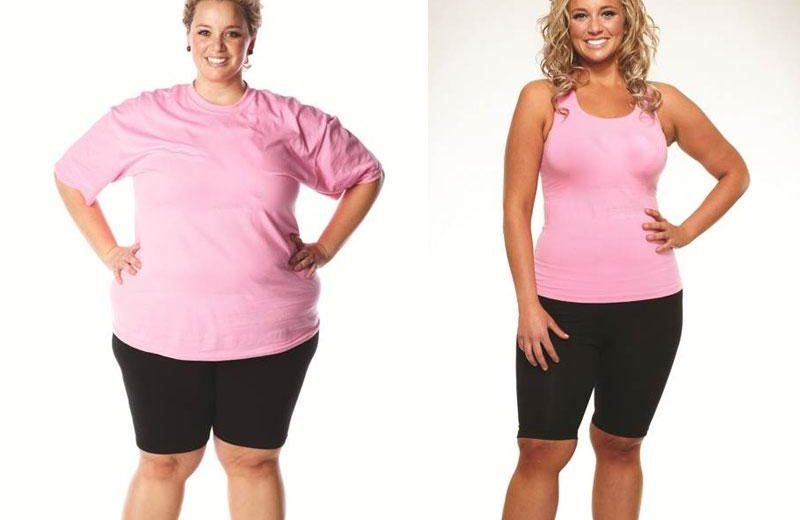
Emre Karabas, aged 26, actor and photographer, lost 45 kg for 6 months.