


What are Stem Cells Like?
Stem cells have 2 properties. Firstly, they can be ‘self-renewing’, i.e., they can divide into a number of stem cells of the same type. Secondly, they can develop and be differentiated in specialized cells with a specific function, e.g., skin, muscle, and blood cells. There are many different types of stem cells. They include embryonic stem cells, which exist only in the early stages of development, as well as different types of tissue-specific stem cells found in the different tissues of the body.
What is Stem Cell Therapy?
Stem cell therapy is a kind of treatment using stem cells or cells which originate from stem cells in order to substitute or renew patient’s damaged cells or tissues. Stem cells can be transfused into the blood or be transplanted directly into the damaged tissue, or they can even be repaired from the patient’s own tissue with self-repair.

What Kind of Diseases or Medical Conditions are Stem Cells Appropriate for?
The range of diseases which have a proved effect after stem cells therapy is still small. Blood and immune system diseases as well as acquired loss of function of the bone marrow are sometimes treated effectively with transplantation of blood stem cells. The blood from the umbilical cord, just like the bone marrow, is often collected as a source of blood stem cells and tested as an alternative of bone marrow transplantation. Other stem cell therapies are still trial treatments.
Diseases Treated with Stem Cells:
Blood Cancer
Leukaemia
- Biphenotypic acute leukaemia
- Acute lymphoblastic leukaemia
- Acute myelogenous leukaemia
- Acute undifferentiated leukaemia
- Chronic myelogenous leukaemia
- Chronic lymphocytic leukaemia
- Juvenile myelomonocytic leukaemia
- Juvenile chronic myelogenous leukaemia
Myeloproliferative Neoplasms
- Acute myelofibrosis
- Agnogenic myeloid metaplasia
- Essential thrombocythemia
- Polycythemia vera
Myelodysplastic Syndromes
- Refractory anaemia
- Refractory anaemia with ring sideroblasts
- Chronic myelomonocytic leukaemia
Other Blood Cancers
- Multiple myeloma
- Plasma cell leukaemia
- Waldenstrom macroglobulinemia
- Histiocytic neoplasms
Solid Tumours
- Hodgkin’s lymphoma
- Langerhans cell histiocytosis
- Neuroblastoma
- Non-Hodgkin lymphoma
- Retinoblastoma
- Medulloblastoma
- Wilms tumour
Non-malignant Blood Disorders
Anaemias
- Aplastic anaemia
- Congenital dyserythropoietic anaemia
- Fanconi anaemia
Hereditary Bone Marrow Syndromes
- Congenital erythroblastopenia
- Shwachman-Diamond syndrome
- Pearson syndrome
Hereditary Anomalies of Red Blood Cells
- Acquired pure red cell aplasia
- Sickle cell anaemia
- Thalassemia major
Hereditary Anomalies of Platelets
- Amegakaryocytic thrombocytopenia
- Glanzmann thrombasthenia
Immune System Disorders
Severe Combined Immunodeficiencies
- Barrett's oesophagus
- Omenn syndrome
Phagocytic Disorders
- Chediak-Higashi syndrome
- Chronic granulomatous disease
Hereditary Diseases of Immune System and of Other Organs
- Gunther's disease (erythropoietic porphyria)
- Systemic mastocytosis
- DiGeorge syndrome
- Evans syndrome
- Hemophagocytic lymphohistiocytosis
- Wiskott Aldrich syndrome
- Lymphoproliferative syndrome (Duncan disease)
- Ataxia telangiectasia
Metabolic Disorders
- Metachromatic leukodystrophy
- Alpha-mannosidosis
- Gaucher disease
- Niemann-Pick disease
- Hunter syndrome
- Hurler syndrome
- Morquio syndrome
- Scheie syndrome
- Hermansky-Pudlak syndrome
- Osteoporosis

Diseases at Clinical Trials Stage
As stem cell research advances, the potential for its application in certain diseases that are incurable or difficult to treat increases. These are diseases for which stem cell therapy is expected to be beneficial. In some of these diseases, stem cell transplantation only slows the progression of the disease and does not cure it completely. In other diseases, stem cell therapy has a curative effect, but more research is needed to determine the exact dose, the optimal method of stem cell introduction, etc. Below is the list of diseases for which stem cell therapy is in the Clinical Trials stage:
- Alzheimer's disease
- Amyotrophic lateral sclerosis (ALS)
- Autism
- Cardiomyopathy
- Cartilage repair
- Cerebral palsy
- Crohn's disease
- Critical limb ischemia
- Type 1 diabetes
- Epidermolysis bullosa
- Ewing's sarcoma
- Hearing loss
- Ischaemic heart disease
- Ischaemic stroke
- Cirrhosis of the liver
- Lupus
- Multiple sclerosis
- Duchenne muscular dystrophy
- Myocardial infarction
- Ovarian cancer
- Parkinson's disease
- Rheumatoid arthritis
- Scleroderma
- Spinal cord injury
- Testicular tumour
- Traumatic brain injury
Mesenchymal Stem Cells (MSCs)
- As a subset of adult stem cells, MSCs are highly efficient and reliable cells that are used in cell therapies for certain cases.
- In addition to their multipotent differentiation potential, they can also repair wounds that cannot be healed by conventional methods through their paracrine effects.
- MSCs are capable of causing angiogenic, trophic, immunoregulatory and immunosuppressive effects due to the wide variety of factors secreted by them.
- More than 700 clinical trials around the world indicate good effects of MSC therapies in the treatment of incurable wounds, bone/cartilage defects, immune/autoimmune diseases, cardiovascular diseases and many others.
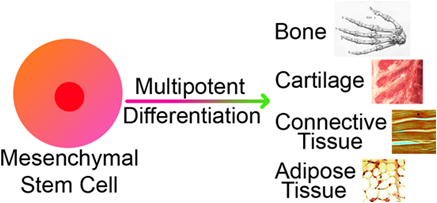
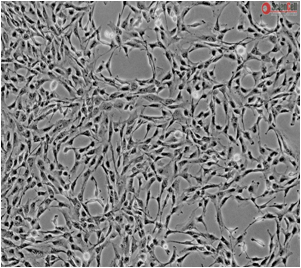
- Powerful ability for immunosuppression, proliferation and differentiation
- Anti-inflammatory effect
* Immunomodulation
* Tissue repair
* Regenerative medicine

MSC Therapy for Diabetic Foot Wounds
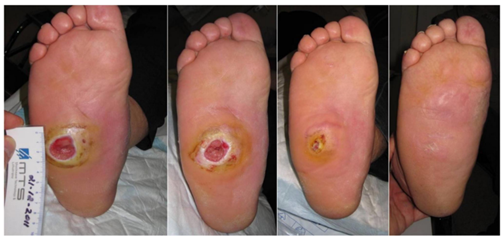
- About 20% of diabetic patients have problems with foot wounds, and 40-60% of these patients face the risk of losing limbs.
- Two major causes of diabetic foot wounds are vascular blockages and nerve defects.
- Treatment with MSCs in such cases is safe and highly effective due to the paracrine and angiogenic supportive effect of MSCs.
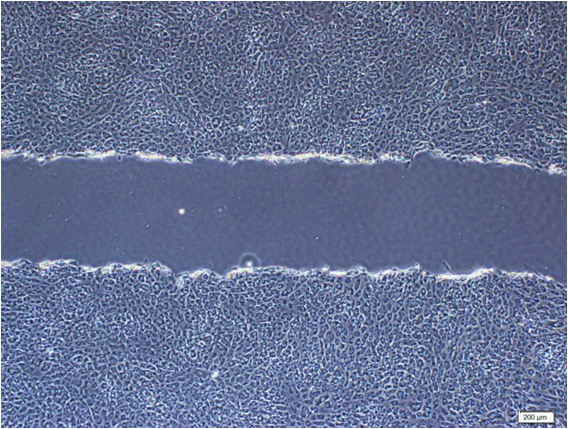
- MSCs derived from umbilical cord (Wharton's jelly) and cultured in Florence Nightingale’s Cell Laboratories can be used allogeneically for diabetic foot wounds.
- In order to adjust the cell dose of the MSC-product for patients, the size of the wound must be specified. 2 x 10⁶ cells per cm2 is recommended for such applications.
Sterile packed MSC-product from Florence Nightingale’s Cell Laboratories is sent to the physician in a vial after passing a detailed quality control analysis (all quality control results are shared with the physician) and are personally prepared only for a specific patient.
The MSC product should be administered with multiple injections using a 26 G (or smaller) needle around the circumference of the wound. Application of MSCs directly into the wound is not recommended as they need healthy tissue. A surgical wound dressing can be used after the administration of MSCs.
SVF Therapy for Diabetic Foot Wounds
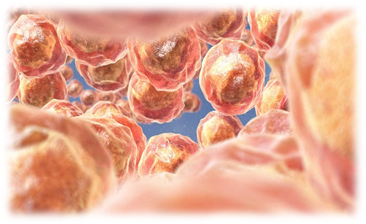
- The stromal vascular fraction (SVF) is a regenerative cell cocktail derived from the patient's own adipose tissue.
- Unlike MSCs, no cell culture process is required for SVF; the fraction can be isolated from the patient's own adipose tissue in 2 hours.
- SVF consists of endothelial cells, macrophages, smooth muscle cells and stem cells.
- Although stem cells in SVF are not a homogeneous cell product like MSCs, they also have differentiating capacity to certain tissues and can create paracrine signals, stop cell death, and heal wounds.
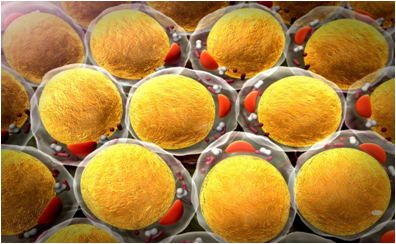
- In the first place, to administer SVF to a patient with diabetic wounds, there is a need of at least 150 ml of fresh adipose tissue from lipoaspiration.
- Once the lipoaspirate is approved in Florence Nightingale Cell Laboratories, the tissue is processed and the final SVF product is produced in as little as 2 hours, so it can be administered to the patient the same day.
- The final sterile apyrogenic SVF product is sent to the physician and can be used autologously for the patient.